Care Types
Personal Care vs. Companion Care: What's the Difference?
Both are common starting points for families new to home care. They're not interchangeable, and knowing the difference makes it much easier to ask for the right thing.
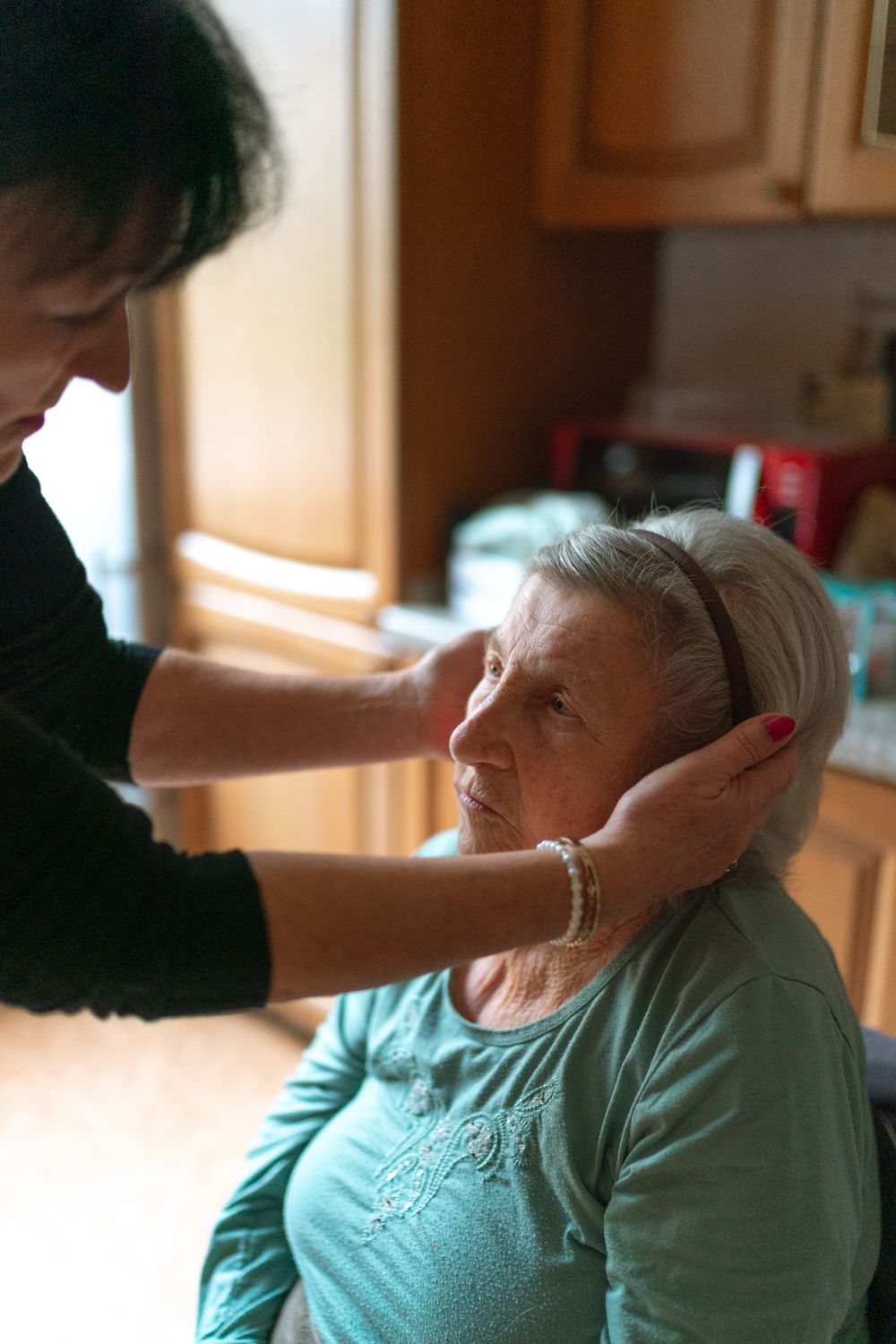
We get calls fairly often from someone who says they need "a caregiver a few hours a day" without really knowing which of two fairly different services that means. Fair enough, the industry doesn't always explain itself well. The short version: one is about the house and the day, the other is about the person's body.
Companion care covers the day, not the body
A companion caregiver keeps someone company and helps the household run: conversation, meals, light housekeeping, laundry, errands, rides to appointments, reminding someone it's time to take their pills (without handling the pills themselves). No hands-on physical assistance is involved.
This tends to be the right starting point for someone who's still mostly independent but whose family is worried about isolation, or about the small logistics of daily life slipping.
Personal care is hands-on
Personal care is what people usually mean by "activities of daily living," which is a clinical way of saying the things a person does to their own body every day: bathing, dressing, grooming, using the bathroom, getting safely from bed to chair, eating. A personal care aide helps with all of it directly.
This is the right fit once those everyday physical tasks have gotten difficult or unsafe to manage alone, whether that's from age, an injury, or something like Parkinson's or advanced arthritis.
Figuring out which one fits
Here's a rough way to sort it: if what worries you is the house, the schedule, or too much time alone, that's companion care. If what worries you is one specific physical task, getting out of the shower safely, getting dressed, standing up from a chair, that's personal care.
A lot of families end up somewhere in the middle, and a plan can mix both in the same visit, shifting as things change. Neither one involves skilled nursing or medical treatment; both are non-medical, private-pay support built around daily life.
If you're still not sure which one describes your situation, that's a completely normal place to be. Tell us what a typical day looks like and we'll help sort out the rest.
Not sure which fits your family?
A free consultation is the simplest way to find out. We'll listen and help you figure out what's actually needed.