For Caregivers · Onboarding
What to Expect in Your First 30 Days as a Caregiver
Training teaches you the skills. The first month on the job teaches you the actual person, and that part doesn't come with a manual.
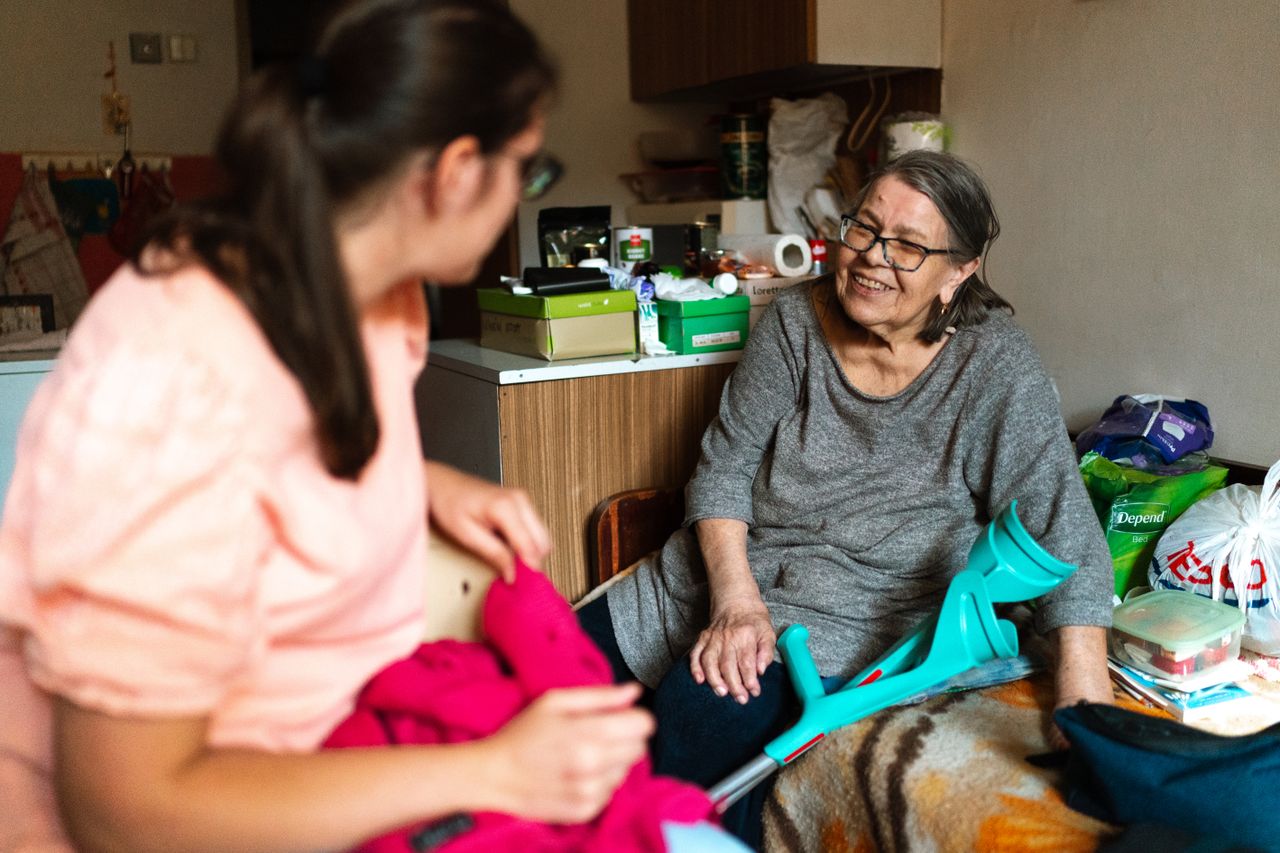
New caregivers usually expect the hard part to be the physical tasks. It rarely is. Most of what makes the first month tricky is learning one specific person's routines, preferences, and moods, none of which show up in a training manual, and all of which matter more than getting a transfer technically perfect.
Learn the routine before you touch anything
Every household already runs a certain way, and it usually doesn't match your training checklist exactly. Maybe breakfast always happens in front of the TV. Maybe the towels have to go back in a specific drawer or someone gets genuinely upset. Spend the first few visits watching and asking before you start optimizing anything. What looks inefficient to you might be the one part of the day that still feels normal to them.
Trust gets built in small moments, not big ones
Showing up on time, remembering how someone takes their coffee, not rushing a shower they're anxious about, these small things add up faster than any single grand gesture. Most clients decide whether they trust a caregiver in the first couple of weeks, usually based on consistency rather than anything dramatic.
If something feels off, say so
New caregivers often don't want to seem like they can't handle things, so they guess instead of asking. Don't. If a medication looks wrong, if a client seems more confused than usual, if a family member says something that doesn't sit right, call your coordinator. Good agencies would much rather get a call that turns out to be nothing than have someone quietly push through a situation they weren't sure about.
A few things that trip people up early on
Taking a client's bad mood personally is a common one. Most crankiness has nothing to do with you and everything to do with what it feels like to need help with things you used to do yourself. Trying to be perfect on day one is another: nobody expects that, and clients usually respond better to someone who admits they're still learning than someone performing confidence they don't have yet.
At Cedar, you're matched with clients on purpose, not just availability, and there's a real person to call when something comes up, not a general line that gets back to you in two days. If you're thinking about this as a career and not just a job, that consistency is usually what makes the difference.
Thinking about joining Cedar?
We're hiring across Greater St. Louis. Take a look at open roles, or apply now if you already know it's a fit.